


Room-Temperature Release Agent
Instructions for Use of Room Temperature Release Agent
1.Surface Preparation:
Ensure the mold surface is free from oil, rust, moisture, and impurities before use. Clean with alcohol or a dedicated cleaner, and proceed only after the surface is completely dry.
2.Application Method:
Choose spraying or brushing based on mold geometry. For spraying, keep a distance of 20–30 cm from the mold surface and apply evenly to form a continuous thin film. For brushing, use a soft brush and apply in one direction to avoid bubbles or missed spots.
3.Drying Time:
After application, allow it to stand at room temperature for 5–15 minutes until a dry film forms (adjust time according to ambient humidity), then proceed with molding.
4.Reapplication Requirement:
If the release film is damaged after one demolding cycle, remove residues and reapply to ensure proper release performance.

Technical Specifications

1.Appearance:
Transparent or light yellow liquid, free from visible suspended matter or sediment.
2.Viscosity:
10–20 mPa·s at 25°C, ensuring a balance between flowability and film formation.
3.Release Performance:
Continuous demolding cycles ≥5 times (depending on working conditions).
4.Heat Resistance:
Short-term temperature resistance ≥120°C, suitable for slight temperature increases during room-temperature molding processes.
5.Film Adhesion:
After drying, the coating adheres well to the mold surface and is not easily removed or transferred to the molded material.
6.Environmental Compliance:
Free from benzene compounds and heavy metals; compliant with national industrial emission standards (such as GB/T 26743).
Applications
Plastic Processing
Injection molding, thermoforming, and compression molding; especially suitable for common plastics such as PP, PE, and ABS.
Rubber Products
Release for rubber vulcanization molds, such as sealing rings and semi-finished tires.


Composite Materials
Mold separation for fiberglass (FRP) and carbon fiber products to prevent adhesion.
Casting Industry
Sand casting and metal die casting (room-temperature molds) to assist demolding and reduce surface defects.
Other Fields
Demolding of non-metal materials such as ceramic green bodies, resin crafts, and artificial stone.
Precautions
Operational Safety:
Wear protective gloves and safety goggles; avoid direct skin contact. In case of eye contact, rinse immediately with plenty of water and seek medical attention.
Storage Conditions:
Keep away from fire sources; store in a cool, well-ventilated place (5–35°C); avoid direct sunlight or freezing to prevent product deterioration.
Do Not Mix:
Do not mix with other brands or types of release agents to avoid chemical reactions that may affect performance.
Mold Compatibility:
It is recommended to conduct a small-area compatibility test before use to ensure no corrosion to mold materials (such as steel, aluminum, or plastics).
Environmental Control:
Ensure good ventilation during application; avoid use in high humidity (RH >85%) or dusty environments to prevent affecting film quality.
Waste Disposal:
Dispose of waste release agents and containers according to industrial waste regulations; do not discharge arbitrarily.
Packaging
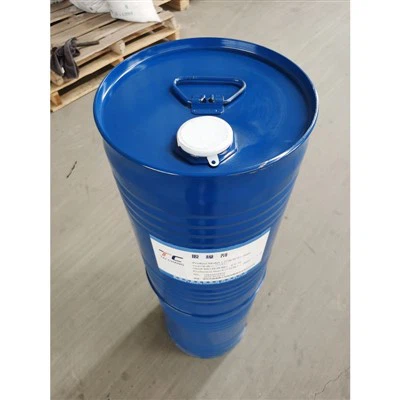
20 L per drum
Shelf Life
Under unopened and proper storage conditions, shelf life is 12–24 months (refer to product label for details). After opening, keep tightly sealed and use within 3 months to avoid performance degradation due to evaporation or contamination.

Hot Tags: room-temperature release agent, China room-temperature release agent manufacturers, suppliers, factory
Previous
No InformationYou Might Also Like




Send Inquiry