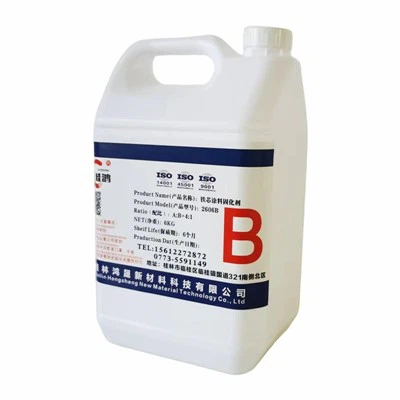
Preventing air bubbles in material epoxy resin is a crucial aspect for anyone working with this versatile material, whether you're a hobbyist or a professional. As a supplier of Material Epoxy Resin, I've seen firsthand the issues that air bubbles can cause, and I'm here to share some tips on how to avoid them.


Understanding the Problem
First off, let's talk about why air bubbles form in epoxy resin. When you mix the resin and hardener, the chemical reaction generates heat, which can cause the air trapped in the mixture to expand and form bubbles. Also, the act of stirring can introduce air into the resin. These bubbles can ruin the finish of your project, leaving unsightly holes or bumps.
Preparation is Key
Before you start working with epoxy resin, make sure your workspace is clean and free of dust. Dust particles can get trapped in the resin and cause bubbles. Also, ensure that all your tools are clean and dry. Any moisture on your tools can react with the resin and create bubbles.
Mixing Techniques
One of the most common causes of air bubbles is improper mixing. When you're mixing the resin and hardener, use a slow, gentle stirring motion. Avoid whipping the mixture, as this can introduce a lot of air. Start by scraping the sides and bottom of the container with a stir stick to ensure that all the resin and hardener are thoroughly combined. Then, stir in a circular motion for about 2 - 3 minutes.
Degassing
Degassing is an effective way to remove air bubbles from epoxy resin. You can use a vacuum chamber to degas the resin before pouring it. Place the mixed resin in a container that can withstand the vacuum and put it in the chamber. Turn on the vacuum pump and let it run for a few minutes until the bubbles stop rising. This process can significantly reduce the number of air bubbles in the resin.
Pouring Techniques
When pouring the epoxy resin, pour it slowly and steadily. Avoid pouring from a high height, as this can cause the resin to splash and introduce air bubbles. You can also use a pouring spout or a syringe to control the flow of the resin.
Heat Application
Applying heat to the epoxy resin can help to release air bubbles. You can use a heat gun or a blowtorch to gently heat the surface of the resin. Move the heat source in a circular motion to avoid overheating the resin. The heat will cause the bubbles to rise to the surface and pop.
Using Additives
There are some additives available that can help to reduce air bubbles in epoxy resin. For example, some epoxy resins come with a de - foaming agent. These agents work by reducing the surface tension of the resin, allowing the bubbles to escape more easily.
Product Recommendations
If you're looking for high - quality epoxy resin, we offer a range of products that are designed to minimize air bubbles. Our Ultra High Strength Epoxy is perfect for projects that require strong adhesion and a smooth finish. It has excellent flow properties, which helps to reduce the formation of air bubbles.
Our High Temperature Thermal Epoxy is ideal for applications where the resin will be exposed to high temperatures. It has a low viscosity, which makes it easier to work with and less likely to trap air bubbles.
For LED encapsulation projects, our Led Encapsulation Epoxy is a great choice. It has a clear, bubble - free finish, which is essential for LED applications.
Troubleshooting
Even if you follow all the steps, you may still encounter air bubbles. If you notice bubbles after the resin has started to cure, you can try using a toothpick or a pin to pop the bubbles. However, be careful not to damage the surface of the resin.
If you have a large number of bubbles, you may need to sand the surface of the cured resin and apply a new layer. This can be time - consuming, but it will give you a smooth, bubble - free finish.
Conclusion
Preventing air bubbles in material epoxy resin requires a combination of proper preparation, mixing techniques, and the right products. By following these tips, you can ensure that your epoxy resin projects have a professional, bubble - free finish.
If you're interested in purchasing our epoxy resin products or have any questions about preventing air bubbles, feel free to reach out. We're here to help you with all your epoxy resin needs.
References
- "Epoxy Resin Handbook" by ABC Publishing
- "Advanced Epoxy Resin Techniques" by XYZ Press